Tweet
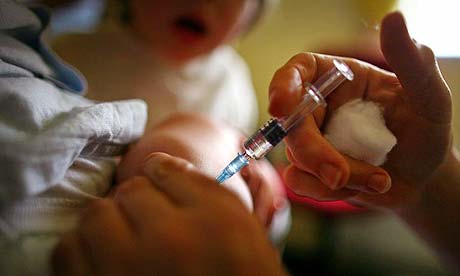
It's that time of year again when vaccinations are in the news. Down under in Oz, it's the start of the Flu vaccination "season" whilst up in the northern climes, there is an outbreak of Measles in Wales that is causing great concern because of the recent low vaccination rates amongst infants.
So what is it about vaccinations that seems to scare so many people? Are we starting to believe all those Zombie movies that tell of rogue scientists creating 'orrible vaccines that turn us all into dribbling maniacs?
Point one: Vaccines have become far "smarter" than they were a decade ago. Back in the last Millenia - think the 1990's - although there were fewer diseases covered in a single vaccine such as diptheria tetanus or measles, the number of antigens that were actually injected into the infant was around several thousand. Today, we might have more diseases covered in each vaccination, but the actual number of antigens with those vaccines is down to 365! Smarter, safer and better targeted.
Point Two: Thimerosal. Many parents have been alarmed by media reports of the rise in Autism Spectrum Disorder and the possible link with Thimerosal, BUT the scientific facts differ radically from the inflammatory headlines screamed from certain Newspaper Headlines. Several large and reliable studies have shown that Thimerosal is not linked to Autism and despite that fact that Thimerosla was removed from vaccines back in 2001, the rate of Autism has continued to increase!
Point Three: I have patients who tell me that each year I give them a Flu shot, they get the flu! The Influenza vaccine doesn't contain any live virus so cannot cause an infection. The vaccine contains certain protein markers from 3 or 4 influenza strains and these are given to stimulate your body's immune system to be prepared for those viruses - should they appear in your community - so that they don't overwhelm it and "give you the flu" before your immune system is able to produce enough killer T cells and wipe them out! But we have to remember that there are approximately 100 influenza viruses continually circulating and mutating around the world and the Flu vaccination will only protect you against the three most likely and most unpleasant of those.
Vaccinations have saved millions of lives and will save millions more: low immunization levels not only put you and your family at risk, they endanger those in your community who are less able to fight off infection - those who are aged, the pregnant and those on chemotherapy. If you have a concern, then ask an expert and don't rely on the headlines in the newspaper or the latest rumour circulating on the web: your health is worth more than that.
Image
reference
Ampersands & angle brackets need to be encoded.Sunday, April 14, 2013
Monday, April 8, 2013
Bowels, Bugs and an unfolding mystery.
Tweet
I've written a few blogs on the evolving, largely unexplored, universe that is our very own "Bio-sphere": those Gazillions of bacteria and microscopic organisms that call "yours truly" Home Sweet Home. Just to re-cap on how many there are: if you imagine your body as representing the total number of cells that you call "you", then the area below your left knee represents the number of human cells in your "body" and the rest represents the number of organisms that make up that svelte human being you call you!
But it's in the gloomy recesses of our bowels that mystery unfolds upon mystery. Now it appears that there could be links between what sorts of bacteria are in our bowels and perhaps a gut based immune imbalance that can lead to Diabetes. Then there are theories that certain types of gut bacteria may be linked to why people develop Obesity. Now there are suggestions that bugs in our bowels may feast on the red meat we consume and increase the risks of having a heart attack!
The red meat bit has been around for a long time as vegetarians and vegens have a lower heart attack risk than red meat eaters, and for a long time we have linked the fat in red meat with the increased risk - hence the push for less red meat, make sure it's lean and try to replace it with fish and chicken. But now scientists are saying that there is a chemical in red meat called Carnitine - also found in energy drinks by the way - that might be another link in the Cholesterol/red meat chain. Carnitine is found naturally in red meat and the more you eat then the more Carnitine gets in to your guts. Certain bacteria love the stuff too and create a metabolite (a cute word for chemical) that enhances our body's ability to make cholesterol in the blood stream more likely to stick to the wrong spots!
Yet again, it's early days but my take is that we all eat too much red meat (and urban legend has it that "they" pump our cattle full of antibiotics and chemicals anyway) and that we can get most of our protein and iron needs from other sources. So cut back the red meat to once a week, eat more fish, chicken and all those amazing fresh veggies that are in the supermarkets and stores ( and growing your own is even more fun!) and let those bugs in your bowel get on with the job the good Lord intended for them: and that's to make our lives healthier and happier!
image
Ampersands & angle brackets need to be encoded.Follow @DrDJsScript
But it's in the gloomy recesses of our bowels that mystery unfolds upon mystery. Now it appears that there could be links between what sorts of bacteria are in our bowels and perhaps a gut based immune imbalance that can lead to Diabetes. Then there are theories that certain types of gut bacteria may be linked to why people develop Obesity. Now there are suggestions that bugs in our bowels may feast on the red meat we consume and increase the risks of having a heart attack!
The red meat bit has been around for a long time as vegetarians and vegens have a lower heart attack risk than red meat eaters, and for a long time we have linked the fat in red meat with the increased risk - hence the push for less red meat, make sure it's lean and try to replace it with fish and chicken. But now scientists are saying that there is a chemical in red meat called Carnitine - also found in energy drinks by the way - that might be another link in the Cholesterol/red meat chain. Carnitine is found naturally in red meat and the more you eat then the more Carnitine gets in to your guts. Certain bacteria love the stuff too and create a metabolite (a cute word for chemical) that enhances our body's ability to make cholesterol in the blood stream more likely to stick to the wrong spots!
Yet again, it's early days but my take is that we all eat too much red meat (and urban legend has it that "they" pump our cattle full of antibiotics and chemicals anyway) and that we can get most of our protein and iron needs from other sources. So cut back the red meat to once a week, eat more fish, chicken and all those amazing fresh veggies that are in the supermarkets and stores ( and growing your own is even more fun!) and let those bugs in your bowel get on with the job the good Lord intended for them: and that's to make our lives healthier and happier!
image
Thursday, April 4, 2013
Questions and courage will help the Kids
Tweet
I'm continuing with my theme of how to help young Moms in our communities, because no-one grows up in isolation and we can all play a part - however small - to help lift vulnerable kids out of the mire of despair and give them a chance of making something out of there lives.
Today the CDC reports that 1 in 5 teenage births is a "repeat" and that's a massive challenge for young people to take on and to survive! What that sort of information suggests to me is that it's not just a matter of better birth control - that's vitally important too, but even after decades of information about the pill and condoms only 22% of teenagers used effective methods of contraception - but's it also involves education, literacy, numeracy, parenting skills, having someone they can trust (and for many, that person may not actually be in the community where they currently live), learning the basics of budgeting money, good health information, basic dietary advice to fit their location and their income .. it's a long list and it needs to be accessible to the Mom wherever she is: and that's where the genius of social media may help us play a big part.
Question: Would you be prepared to offer simple, on-line support to a young Mom in your area?
I ask this because it does raise the issue of how much do "I" want to be involved: how can I protect my own identity: what if "they" get to depend on me too much, and "I've got my own problems to contend with"? All of these questions and more need to be asked and some answers found before any website is "switched on": and you, my dear friends, have some of the answers and many of the questions that need to be aired.
But you know what? Despite the tension between our desire to help and our worries about what might be asked of us, none of it compares to the probably life long misery, hurt and destruction that many of these young Moms and their kids face if we people of good will don't at least attempt to do something, however small or seemingly insignificant.
This project will take months/years to get "legs", but I have real faith that eventually something of worth will be created to help those who are most vulnerable. I hope some of you will join me in the journey.
image
Ampersands & angle brackets need to be encoded.Follow @DrDJsScript
Today the CDC reports that 1 in 5 teenage births is a "repeat" and that's a massive challenge for young people to take on and to survive! What that sort of information suggests to me is that it's not just a matter of better birth control - that's vitally important too, but even after decades of information about the pill and condoms only 22% of teenagers used effective methods of contraception - but's it also involves education, literacy, numeracy, parenting skills, having someone they can trust (and for many, that person may not actually be in the community where they currently live), learning the basics of budgeting money, good health information, basic dietary advice to fit their location and their income .. it's a long list and it needs to be accessible to the Mom wherever she is: and that's where the genius of social media may help us play a big part.
Question: Would you be prepared to offer simple, on-line support to a young Mom in your area?
I ask this because it does raise the issue of how much do "I" want to be involved: how can I protect my own identity: what if "they" get to depend on me too much, and "I've got my own problems to contend with"? All of these questions and more need to be asked and some answers found before any website is "switched on": and you, my dear friends, have some of the answers and many of the questions that need to be aired.
But you know what? Despite the tension between our desire to help and our worries about what might be asked of us, none of it compares to the probably life long misery, hurt and destruction that many of these young Moms and their kids face if we people of good will don't at least attempt to do something, however small or seemingly insignificant.
This project will take months/years to get "legs", but I have real faith that eventually something of worth will be created to help those who are most vulnerable. I hope some of you will join me in the journey.
SPREAD THE WORD
image
Monday, March 25, 2013
Young Moms - the key to a healthier future
Tweet
There are a group of people whom I believe to be the most important people in this world, and they're our young Moms: but to use an Australian colloquial expression, I also think that they're getting the wrong end of the pineapple! They're doing it tough and we need to work out how best to help them during those challenging first 5 years as parents.
The challenge to effect positive change is that "one size" will not fit all: what may work for the affluent parts of San Franciso or Perth, will not work in rural areas of say Africa or India, but the basic principals are the same: education, health and effective mentoring.
I want to start a conversation that leads us to better ways to support our "jeunes Mamans"*, especially those who are single or living in distressed areas, and the internet gives us an opportunity to provide that support.
There are some great educators in cyberspace who can provide culturally appropriate resources for their communities so that literacy and numeracy for young Mums can be improved - and better skilled mothers offers hope for smarter, healthier kids. There is a wealth of information about health issues too - the paradox being that so many in the affluent "west" need information on how to lose weight and yet millions of less affluent "others" needs information on how to provide basic nutrition for themselves and their children: wouldn't it be good for the "Health" of us all if one group could be connected to the other - ? As for mentoring, there must be literally millions of baby boomers with some time on their hands who can provide mentoring for young women in their communities or even those in other communities. Many "grey nomads" already are committed to providing new homes and schools for less well off cultures, perhaps this could be extended to exchanging emails as well?
Another challenge is to have some level of ethics for such an enterprise and here I am impressed by the 12 steps of AA where it's "success" is based on the fact that members need to recognize a "Higher Power", and I believe that for a great number of people this has resonance. There is no doubt that one program will not appeal to everyone, but every woman who is helped to improve their own health and education will have a huge impact on their children and their future life which has great significance for the whole world over time.
I want to start a conversation whereby we can develop a Web Based resource that can be adapted to local needs of each community. What do you think? How can we make a difference? What can we establish that can easily be handed on to the next generation so that we protect the most valuable members in our Communities - our "Madres jovenes"* and their precious children.
*young Moms
image
Ampersands & angle brackets need to be encoded.Follow @DrDJsScript
The challenge to effect positive change is that "one size" will not fit all: what may work for the affluent parts of San Franciso or Perth, will not work in rural areas of say Africa or India, but the basic principals are the same: education, health and effective mentoring.
I want to start a conversation that leads us to better ways to support our "jeunes Mamans"*, especially those who are single or living in distressed areas, and the internet gives us an opportunity to provide that support.
There are some great educators in cyberspace who can provide culturally appropriate resources for their communities so that literacy and numeracy for young Mums can be improved - and better skilled mothers offers hope for smarter, healthier kids. There is a wealth of information about health issues too - the paradox being that so many in the affluent "west" need information on how to lose weight and yet millions of less affluent "others" needs information on how to provide basic nutrition for themselves and their children: wouldn't it be good for the "Health" of us all if one group could be connected to the other - ? As for mentoring, there must be literally millions of baby boomers with some time on their hands who can provide mentoring for young women in their communities or even those in other communities. Many "grey nomads" already are committed to providing new homes and schools for less well off cultures, perhaps this could be extended to exchanging emails as well?
Another challenge is to have some level of ethics for such an enterprise and here I am impressed by the 12 steps of AA where it's "success" is based on the fact that members need to recognize a "Higher Power", and I believe that for a great number of people this has resonance. There is no doubt that one program will not appeal to everyone, but every woman who is helped to improve their own health and education will have a huge impact on their children and their future life which has great significance for the whole world over time.
I want to start a conversation whereby we can develop a Web Based resource that can be adapted to local needs of each community. What do you think? How can we make a difference? What can we establish that can easily be handed on to the next generation so that we protect the most valuable members in our Communities - our "Madres jovenes"* and their precious children.
*young Moms
image
Monday, March 11, 2013
CPR and beyond.
Tweet
ECMO sounds like a drain cleaner sold by dubious door-to-door salespeople, but in fact it's an acronym for a machine that has been described as a "game changer" when it comes to heart resuscitation after a heart attack.
Extra Corporeal Membrane Transfer is the high highfaluting name of the machine, but in effect what it does is remove blood from a patients body, then remove the accumulated Carbon Dioxide from the blood, add in life-restoring Oxygen and then return the blood to the body. According to the report I read in the Australian Newspaper, the ECMO machine is widely available in SE Asia where it has been reported to have saved lives up to 7 hours after the patient was supposed to have "died"!
According to Dr Parnia who is releasing a book called "The Lazarus Effect", survival rates after a heart attack in America run at about 25 to 30% when simply CPR is used: whereas where the ECMO is used in Asia, then the survival rates run at about 70%, a result which the scientists would call "clinically significant"!
An ECMO machine is similar to the heart lung machines that are used in open heart surgery, but simplified and adapted for mobility purposes. According to Dr Parnia, these machines are "quick to fit, small enough to fit in an ambulance and relatively cheap". Although in the context of escalating health costs and the continuous challenge of where to allocate the Health Care $$'s, relative is a relative word!!
What ECMO does do is put into the spotlight is our current attitude of what works best, and question what we mean by "best practice". For the general community - read you and me - we know that CPR is far from perfect, but not enough of us even know simple CPR despite the fact that it has been shown to save lives when used by lay people who have been taught the basic technique. CPR needs to be taught in school and refreshed in the community on a regular basis. As for ECMO, I have no doubt that in the hear future our Ambulances must be fitted with these advanced, simple to use machines, and we don't have to wait for Governments to pay for them. If you think that your "mid-life" spouse is worth saving for "old age", then why not form a local fund-raising group and talk with your Emergency Services to see if they can advance and adapt. Now there's a challenge for you!
image
Ampersands & angle brackets need to be encoded.Follow @DrDJsScript
Extra Corporeal Membrane Transfer is the high highfaluting name of the machine, but in effect what it does is remove blood from a patients body, then remove the accumulated Carbon Dioxide from the blood, add in life-restoring Oxygen and then return the blood to the body. According to the report I read in the Australian Newspaper, the ECMO machine is widely available in SE Asia where it has been reported to have saved lives up to 7 hours after the patient was supposed to have "died"!
According to Dr Parnia who is releasing a book called "The Lazarus Effect", survival rates after a heart attack in America run at about 25 to 30% when simply CPR is used: whereas where the ECMO is used in Asia, then the survival rates run at about 70%, a result which the scientists would call "clinically significant"!
An ECMO machine is similar to the heart lung machines that are used in open heart surgery, but simplified and adapted for mobility purposes. According to Dr Parnia, these machines are "quick to fit, small enough to fit in an ambulance and relatively cheap". Although in the context of escalating health costs and the continuous challenge of where to allocate the Health Care $$'s, relative is a relative word!!
What ECMO does do is put into the spotlight is our current attitude of what works best, and question what we mean by "best practice". For the general community - read you and me - we know that CPR is far from perfect, but not enough of us even know simple CPR despite the fact that it has been shown to save lives when used by lay people who have been taught the basic technique. CPR needs to be taught in school and refreshed in the community on a regular basis. As for ECMO, I have no doubt that in the hear future our Ambulances must be fitted with these advanced, simple to use machines, and we don't have to wait for Governments to pay for them. If you think that your "mid-life" spouse is worth saving for "old age", then why not form a local fund-raising group and talk with your Emergency Services to see if they can advance and adapt. Now there's a challenge for you!
image
Monday, February 25, 2013
Feeding the body, mind and spirit.
Tweet
Daniel Day-Lewis has won the Oscar for best actor and for those who have seen him in Lincoln, he is a deserved winner of the prize. From now on when I think of the great Abe Lincoln, I will always see the character portrayed by DDL, who seems to disappear as his subject emerges from inside him - a truly great Actor.
And I was delighted to read that he does not intend to appear in another film for at least 5 years but will go to his farm in Ireland and learn how to be a Stone-Mason! This is the same guy who previously "disappeared" to Italy to learn how to be a shoemaker! No doubt he can afford to indulge in his pastimes, but for the rest of us mere mortals it's a great challenge to pause and consider what "craft" would we like to take on during the various stages that make up our lives.
Over the years I've attempted to learn the wooden folk flute with a modest degree of success. I gave up Irish dancing after deciding that touring with Riverdance wasn't for me - well actually I couldn't coordinate my feet with my brain fast enough! I went through a spell of oil painting which I really enjoyed, but it's a bit like golf and you need lots of time and a dedicated room to leave all your oils out between sessions. But it's something I intend to go back to.
We took up walking some years ago and that's one thing that we've been successful at keeping up and it has led us on some amazing adventures. We also intend to try canoeing now that we've moved to near the river once we've found the right teachers. Meditation is another practice that we are attempting: it's harder than you imagine as I find my mind wondering "hither and yon" during the sessions, but they say it improves with practice!
Then there are the languages of French (love it), Italian (romantic and you definitely need to talk with your arms) and Spanish (only lasted 8 weeks but the young brides Paella was delicious)
Finding new ways to use your brains, move your bodies and elevate your spirit are the very foods of life and I sincerely wish you are all having a veritable banquet! Let me know what you've tried.
image
Ampersands & angle brackets need to be encoded.Follow @DrDJsScript
And I was delighted to read that he does not intend to appear in another film for at least 5 years but will go to his farm in Ireland and learn how to be a Stone-Mason! This is the same guy who previously "disappeared" to Italy to learn how to be a shoemaker! No doubt he can afford to indulge in his pastimes, but for the rest of us mere mortals it's a great challenge to pause and consider what "craft" would we like to take on during the various stages that make up our lives.
Over the years I've attempted to learn the wooden folk flute with a modest degree of success. I gave up Irish dancing after deciding that touring with Riverdance wasn't for me - well actually I couldn't coordinate my feet with my brain fast enough! I went through a spell of oil painting which I really enjoyed, but it's a bit like golf and you need lots of time and a dedicated room to leave all your oils out between sessions. But it's something I intend to go back to.
We took up walking some years ago and that's one thing that we've been successful at keeping up and it has led us on some amazing adventures. We also intend to try canoeing now that we've moved to near the river once we've found the right teachers. Meditation is another practice that we are attempting: it's harder than you imagine as I find my mind wondering "hither and yon" during the sessions, but they say it improves with practice!
Then there are the languages of French (love it), Italian (romantic and you definitely need to talk with your arms) and Spanish (only lasted 8 weeks but the young brides Paella was delicious)
Finding new ways to use your brains, move your bodies and elevate your spirit are the very foods of life and I sincerely wish you are all having a veritable banquet! Let me know what you've tried.
image
Monday, February 18, 2013
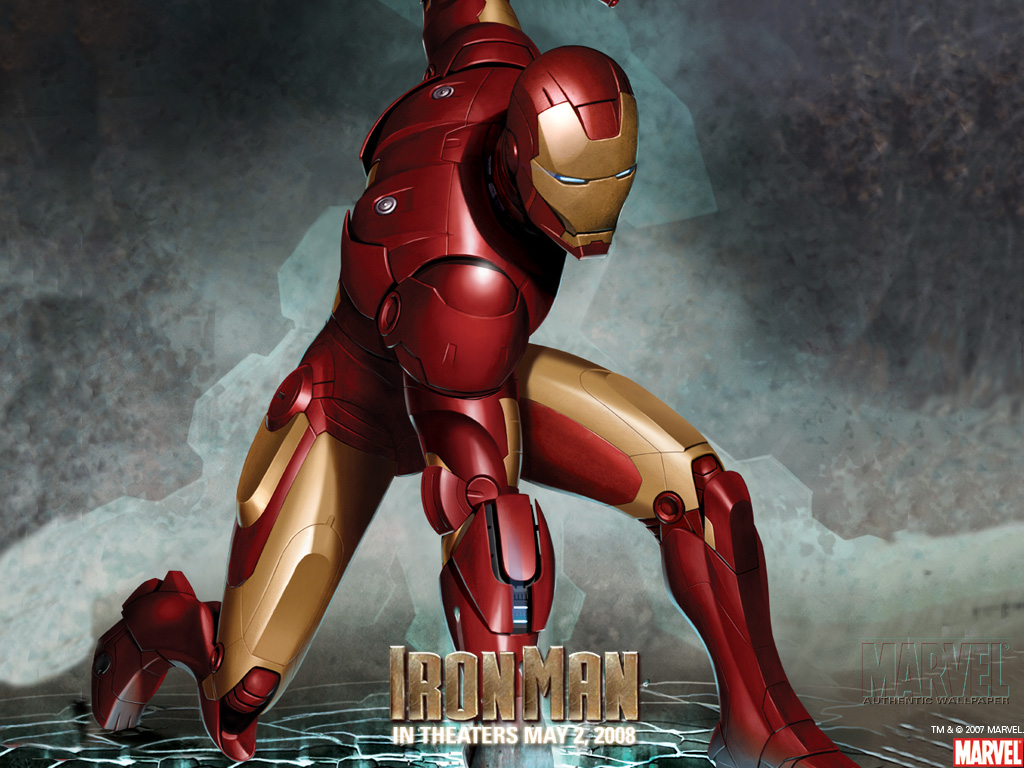
Heamachromatosis - the downside of being Ironman
Tweet
It's funny how you remember a face!
I vividly remember one that I only saw once decades ago on the wards of my Alma Mater in London. It was, and I kid you not, a bronze face on a walking, talking human being. I mention this because today's blog is on Haemachromatosis, a genetic disorder causing iron overload which, if not managed properly, can lead to Iron toxicity and permanent damage to various organs - and one of those is the pancreas: damage your pancreas and you get Diabetes. Diabetes caused in this way is often known as "Bronze Diabetes" and the man whom I saw all those years ago was suffering from that very same condition.
Haemachromatosis is one of the most common genetic disorders in Australia, affecting up to 1 in 8 persons of Northern European descent. It occurs when both parent carry a copy of a defective gene - called the HFE gene - and pass it on to their offspring who will then have a 1 in 4 chance of having problems associated with a protein responsible for absorbing Iron into the body. This faulty protein allows too much Iron to be absorbed and if undiagnosed can lead to serious organ damage.
The good news is that if someone in your family is known to have Haemachromatosis, then screening can happen at an early age and the necessary precautions to be taken, so that the toxic effects of Iron overload are managed properly.
Because the iron levels are slow to build up, Haemachromatosis is diagnosed in later life - usually in males in their 50's and 60's, and mainly a decade later in women who up to the menopause are "iron shedders" with monthly menstruation. It is rare that it presents early in life, although this can happen. The diagnosis is suspected when patients are found to have raised iron stores within the body - a test that looks for the saturation level of certain protein responsible for carrying iron around the body. If these levels are high then genetic testing is warranted.
The condition is relatively "easily" managed by frequent blood letting to drain the body of excess iron, and once this is down to acceptable levels then blood letting is usually performed every 3 to 4 months. The good news is that this blood is generally safe for transfusion uses unless there are other associated health concerns.
If left untreated then the iron can build up in critical organs
Haemachromatosis is common, it is often asymptomatic until our later years and yet is eminently manageable with early intervention. Don't be cast in bronze whilst you're still alive: leave that to our Hollywood action men and women!
Image
Ampersands & angle brackets need to be encoded.Follow @DrDJsScript
I vividly remember one that I only saw once decades ago on the wards of my Alma Mater in London. It was, and I kid you not, a bronze face on a walking, talking human being. I mention this because today's blog is on Haemachromatosis, a genetic disorder causing iron overload which, if not managed properly, can lead to Iron toxicity and permanent damage to various organs - and one of those is the pancreas: damage your pancreas and you get Diabetes. Diabetes caused in this way is often known as "Bronze Diabetes" and the man whom I saw all those years ago was suffering from that very same condition.
Haemachromatosis is one of the most common genetic disorders in Australia, affecting up to 1 in 8 persons of Northern European descent. It occurs when both parent carry a copy of a defective gene - called the HFE gene - and pass it on to their offspring who will then have a 1 in 4 chance of having problems associated with a protein responsible for absorbing Iron into the body. This faulty protein allows too much Iron to be absorbed and if undiagnosed can lead to serious organ damage.
The good news is that if someone in your family is known to have Haemachromatosis, then screening can happen at an early age and the necessary precautions to be taken, so that the toxic effects of Iron overload are managed properly.
Because the iron levels are slow to build up, Haemachromatosis is diagnosed in later life - usually in males in their 50's and 60's, and mainly a decade later in women who up to the menopause are "iron shedders" with monthly menstruation. It is rare that it presents early in life, although this can happen. The diagnosis is suspected when patients are found to have raised iron stores within the body - a test that looks for the saturation level of certain protein responsible for carrying iron around the body. If these levels are high then genetic testing is warranted.
The condition is relatively "easily" managed by frequent blood letting to drain the body of excess iron, and once this is down to acceptable levels then blood letting is usually performed every 3 to 4 months. The good news is that this blood is generally safe for transfusion uses unless there are other associated health concerns.
If left untreated then the iron can build up in critical organs
- The heart - where is can lead to heart failure or irregular heart beats.
- The pancreas - where it can lead to Diabetes
- The liver - where it can lead to cirrhosis
- Joints - leading to arthritis.
- General fatigue
Haemachromatosis is common, it is often asymptomatic until our later years and yet is eminently manageable with early intervention. Don't be cast in bronze whilst you're still alive: leave that to our Hollywood action men and women!
Image
Subscribe to:
Posts (Atom)